1. Cabin survey
Before anything is touched, the crew looks over the interior for sharp objects, hidden pooling and personal belongings.
Granby, MO · Newton County
A biohazard in a vehicle should not sit in the heat or be handled bare-handed. In Granby, call (877) 812-4220 to have the contamination removed and the cabin sanitized.
If anyone is in danger, call 911 first. For a suicide crisis, call or text 988.
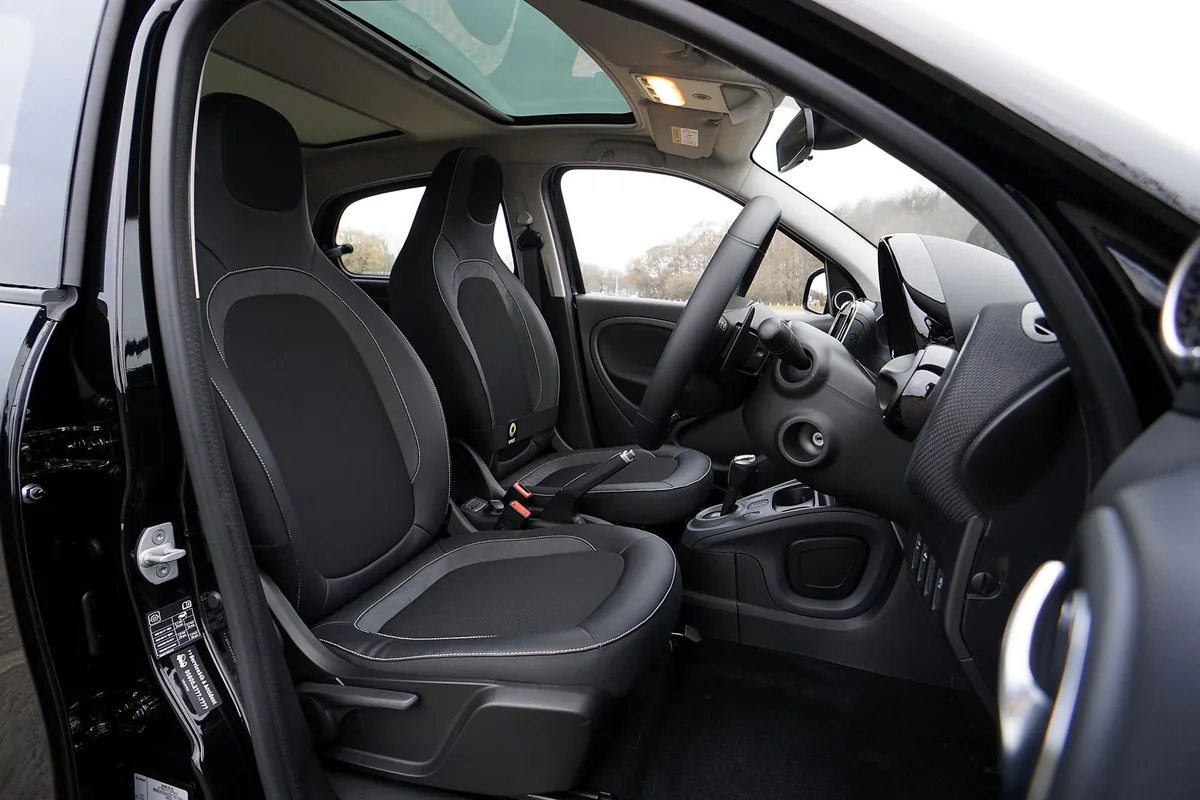
A vehicle decontamination service removes the hazard, not just the stain. It finds every area the fluid reached, takes out soaked upholstery and padding and disinfects what stays.
Owners, adjusters, tow yards and fleet managers in Granby and Newton County who need your vehicle made safe can call Granby Biohazard Cleanup Help for local vehicle biohazard cleanup.
With about 50 inches of rain a year in Granby, damp air and leaks can feed mold in a contaminated vehicle that was left sitting. The nearest emergency room, Freeman Neosho Hospital in Neosho, is about 9 miles away. Call 911 for injuries first; cleanup comes after.
What vehicle biohazard cleanup covers:
Before anything is touched, the crew looks over the interior for sharp objects, hidden pooling and personal belongings.
Blood and fluids are traced across seats, floors and panels, including seat tracks, seams and beneath the mats.
Fluids, stained upholstery and contaminated debris are removed. Surfaces that can stay are cleaned and disinfected.
Odor is treated in the cabin and vents, waste leaves as regulated waste, and the interior is checked before the keys are returned.
Vehicle biohazard cleanup in Granby, MO typically costs $500 to $5,000, depending on the size of the affected area and the materials involved.
Replacing seats, carpet or trim after removal is usually separate from the cleanup itself, so ask what the quote covers.
| Type of job | Typical range |
|---|---|
| Vehicle biohazard cleanup | $500 - $5,000 |
Published ranges only (BioCleaners Directory); every vehicle biohazard cleanup job in Granby is priced after an on-site look. Price drivers include type of interior materials, how serious the event was, time since the event, air system decontamination. Questions? Call (877) 812-4220.
Yes. A regular detail cleans dirt and stains with household products. Biohazard car detailing starts with decontamination, then moves to restoring the finish. Skipping the first step leaves germs and odor behind.
A small spill on a hard surface can be cleaned with gloves, eye protection and an EPA-registered disinfectant. Do not do it with an open cut, and do not use the car until fluids that soaked into fabric are removed. For larger spills, call a cleanup team.
Cleaning a biohazard car starts with protection: gloves, eye protection and a mask. Contaminated upholstery and padding are removed, hard surfaces are cleaned, and an EPA-registered disinfectant is used by the label. Heavy contamination is best left to a vehicle biohazard cleanup team.
Call 911 first if anyone is hurt. Keep people and pets away from the vehicle, do not drive it, and do not wipe or spray the fluids. Take photos for insurance and note what the contamination touched.
Yes, in most cases. Hard surfaces and many seats can be cleaned and disinfected. Foam, carpet and padding that soaked through are usually removed, because blood and odor stay in them.
It depends on the vehicle, the amount of contamination and how much has to be removed. A single stained seat is a shorter job than a cabin with fluids on many surfaces. Odor treatment can add time.
Calls are answered 24/7, and the job is planned on the call.
Call (877) 812-4220